



What isMicrowaveAblation?

Understanding Why It May Be Considered
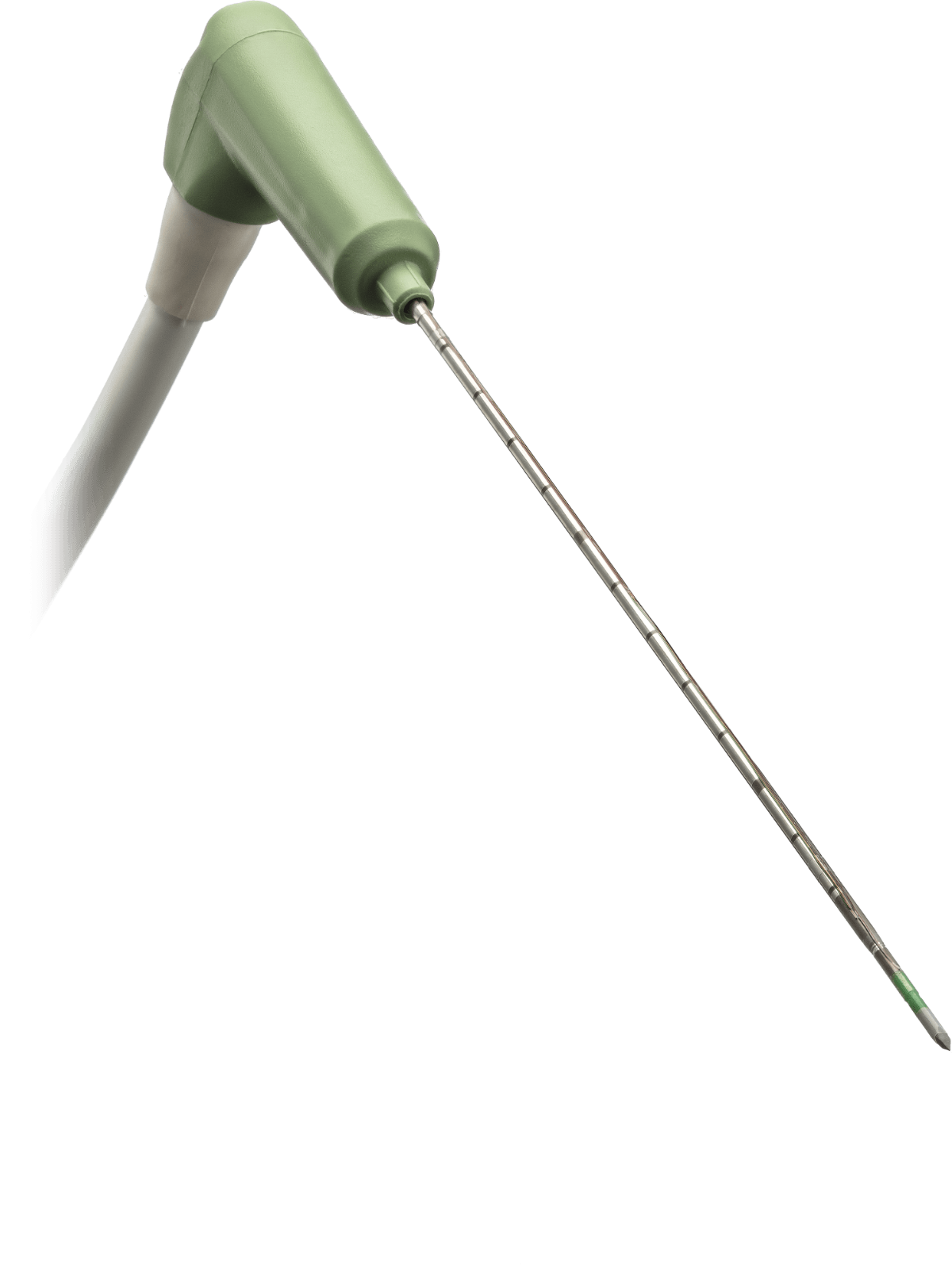
Minimally Invasive Approach
Designed to Target Tumors
Potential for a Shorter Recovery
What to Expect During the Procedure
Frequently Asked Questions
An interventional radiologist is a physician who specializes in using medical imaging, such as CT or ultrasound, to guide minimally invasive procedures inside the body. For microwave ablation, an interventional radiologist may use imaging to precisely guide a thin probe into the liver tumor and deliver microwave energy to destroy the targeted tissue. They may work alongside medical oncologists, surgeons, hepatologists, and other specialists as part of your multidisciplinary care team.
Microwave ablation may be an option for some patients with liver tumors. Eligibility depends on factors such as tumor size, location, number of tumors, liver function, overall health, and your care team's evaluation.
No. Microwave ablation is a minimally invasive procedure that typically does not require the large incision associated with traditional surgery. Instead, a thin probe is inserted through a small opening in the skin and guided to the tumor, where it delivers heat to destroy targeted tissue. The procedure may be performed on an outpatient basis, allowing some patients to return home the same day and resume normal activities relatively quickly. Recovery varies based on your individual health, tumor, and procedure.
Possibly. Every treatment plan is unique. Depending on your diagnosis, microwave ablation may be recommended by itself or as part of a broader treatment plan that includes other therapies.
Absolutely. If you've learned about microwave ablation and want to know whether it could be an option, bring it up with your oncology team. Ask whether it may be appropriate for your diagnosis and whether your case could benefit from review by a multidisciplinary team that includes an interventional radiologist. Your care team can help you understand how microwave ablation compares with the other options being considered and what factors may make one treatment approach more appropriate for you.
Microwave ablation is performed using imaging, such as CT or ultrasound, to help your care team locate the tumor and guide a thin probe into the targeted area. Once the probe is positioned, microwave energy generates heat that destroys the tumor tissue. Depending on your individual procedure, anesthesia or sedation may be used to keep you comfortable.
Many liver ablation procedures can be performed without an overnight hospital stay, although this depends on your individual health and procedure. You may experience temporary pain or discomfort, fever, fatigue, or other side effects as your body recovers. Before you go home, your care team will explain any activity restrictions, symptoms to watch for, and when you can return to your usual routine.
Follow-up imaging is an important part of care after microwave ablation. CT, MRI, or other imaging may be used to evaluate the treated area and look for signs of remaining or returning cancer. Your care team may also use blood tests, including liver function tests and tumor markers when appropriate, as part of ongoing monitoring.
Yes. Microwave ablation destroys the tumor tissue being targeted, but it cannot prevent cancer from returning or new tumors from developing elsewhere in the liver or body. Regular follow-up is important so your care team can monitor for changes. If cancer does return, your treatment options will depend on where it appears, your previous treatments, liver function, overall health, and other individual factors.
Yes. Microwave ablation has been studied as a treatment for liver tumors and is included in clinical guidelines for certain patients with hepatocellular carcinoma (HCC). Research has evaluated its safety, effectiveness, and ability to control tumors in appropriately selected patients. Whether microwave ablation is right for you depends on factors such as tumor size, number and location, liver function, overall health, and the other treatment options available to you.
Determine if Microwave Ablation May Be a Treatment Option
Answer a few brief questions to learn whether microwave ablation may be worth discussing with your care team. This self-assessment does not determine whether you're eligible for treatment or provide medical advice. Instead, it can help guide your next conversation with your healthcare team.